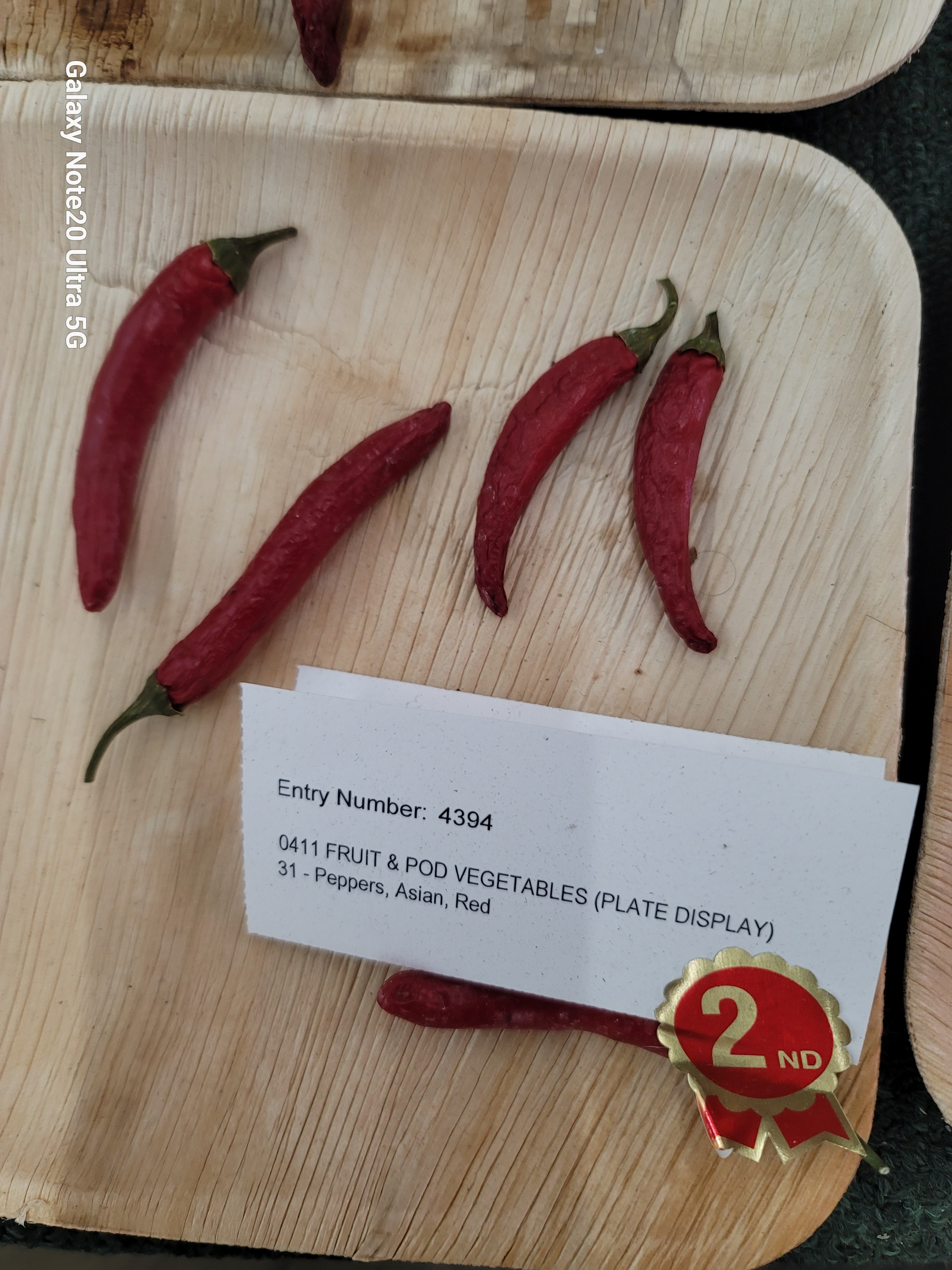


Asian Red Chili Peppers
Spice
Asian red chili peppers are slender, vibrant red pods prized across Asian cuisines for their fiery heat and intense aroma. Often small but potent, these chilies add both spice and color to stir-fries, soups, sauces, and chili oils. Their flavor develops depth when dried, becoming a key ingredient in many traditional spice blends.
Health Benefits:
High in capsaicin, which may aid metabolism and pain relief
Rich in vitamin C and antioxidants that strengthen the immune system
Supports heart health by improving blood circulation
Contains beta-carotene for skin and eye health
Natural anti-inflammatory properties
How chefs use it:
Stir-fries and curries: Common in Chinese, Thai, Korean, and Vietnamese dishes
Chili oil or paste: Base for sauces like sambal, gochujang, or chili crisp
Soups and broths: Adds spice to ramen or tom yum
Dried flakes or powder: Ground into seasoning blends or rubs
Pickled or fermented: Used in kimchi and hot condiments
Texture & Prep Tips:
Thin-skinned and glossy when fresh, becoming leathery and deep red when dried.
Use whole for infusing flavor or slice finely for stronger heat. Toast lightly in oil to release aroma before adding to dishes.
Flavor profile in a dish:
Sharp, spicy, and aromatic with a clean heat that builds gradually.
Adds both warmth and brightness to savory foods.
Peak Season:
Late summer to early winter (California: August–December).
Farming Note:
Grown widely across Asia and now cultivated in California’s Central Valley, Asian red chilies thrive in warm, sunny conditions. Plants are compact and productive, yielding small fruits that ripen from green to brilliant red. Chilies are often air-dried or sun-dried, concentrating their spice and flavor for longer storage and culinary use.